












Workwear and taxation
Work clothes are tax deductible, but not always. With these three points, you can easily find out if you can get a tax deduction for the work clothes you purchase.
1. How much wear does your workwear get?
The consumption of work clothes is one of the factors that affects taxation. Is your work clean indoor work in an office or is the clothing exposed to mechanical abrasion or constant washing, for example?
If the nature of the work tasks is such that the clothing is subject to significant wear and tear and therefore needs to be replaced more often than normal, a tax deduction may be granted for work clothing.
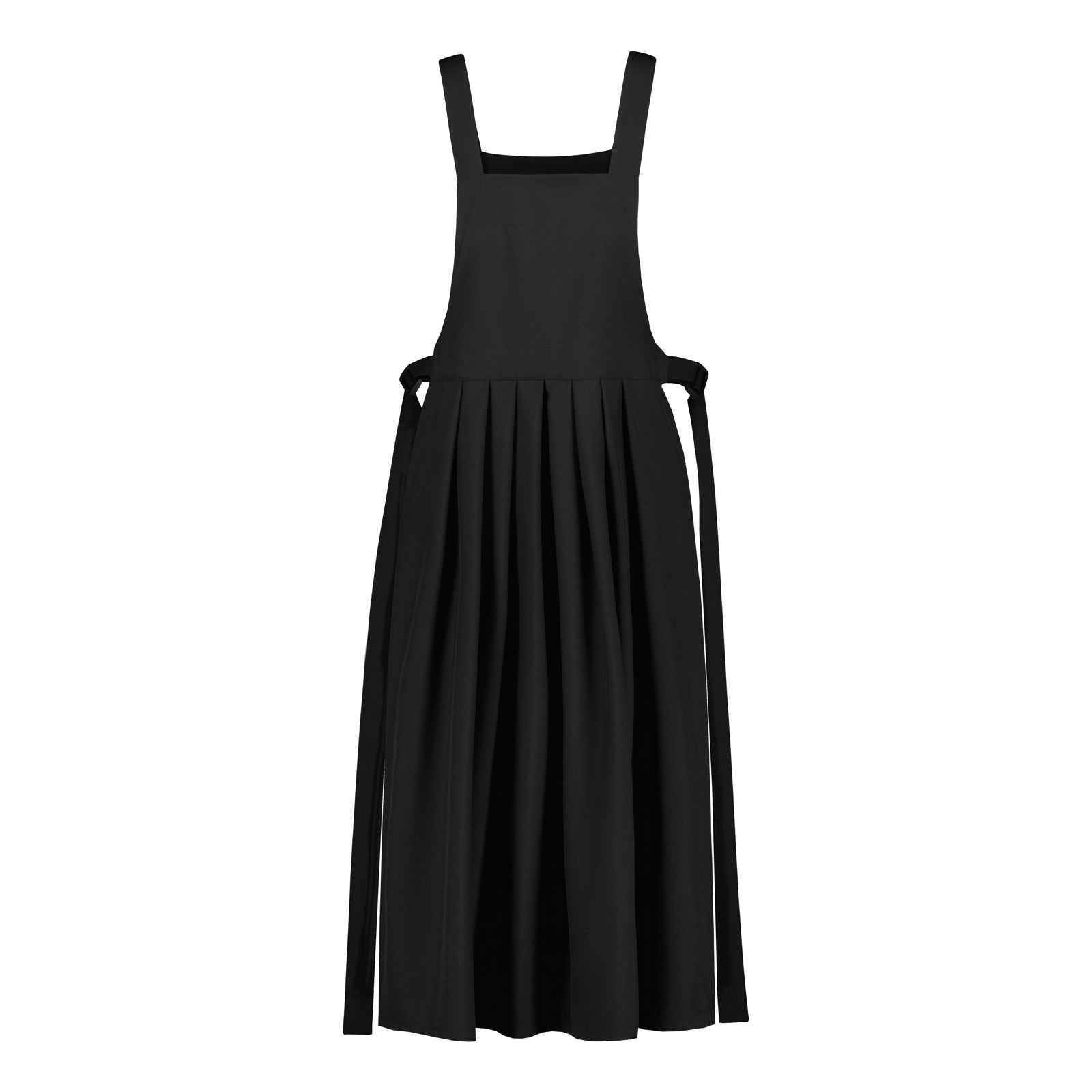
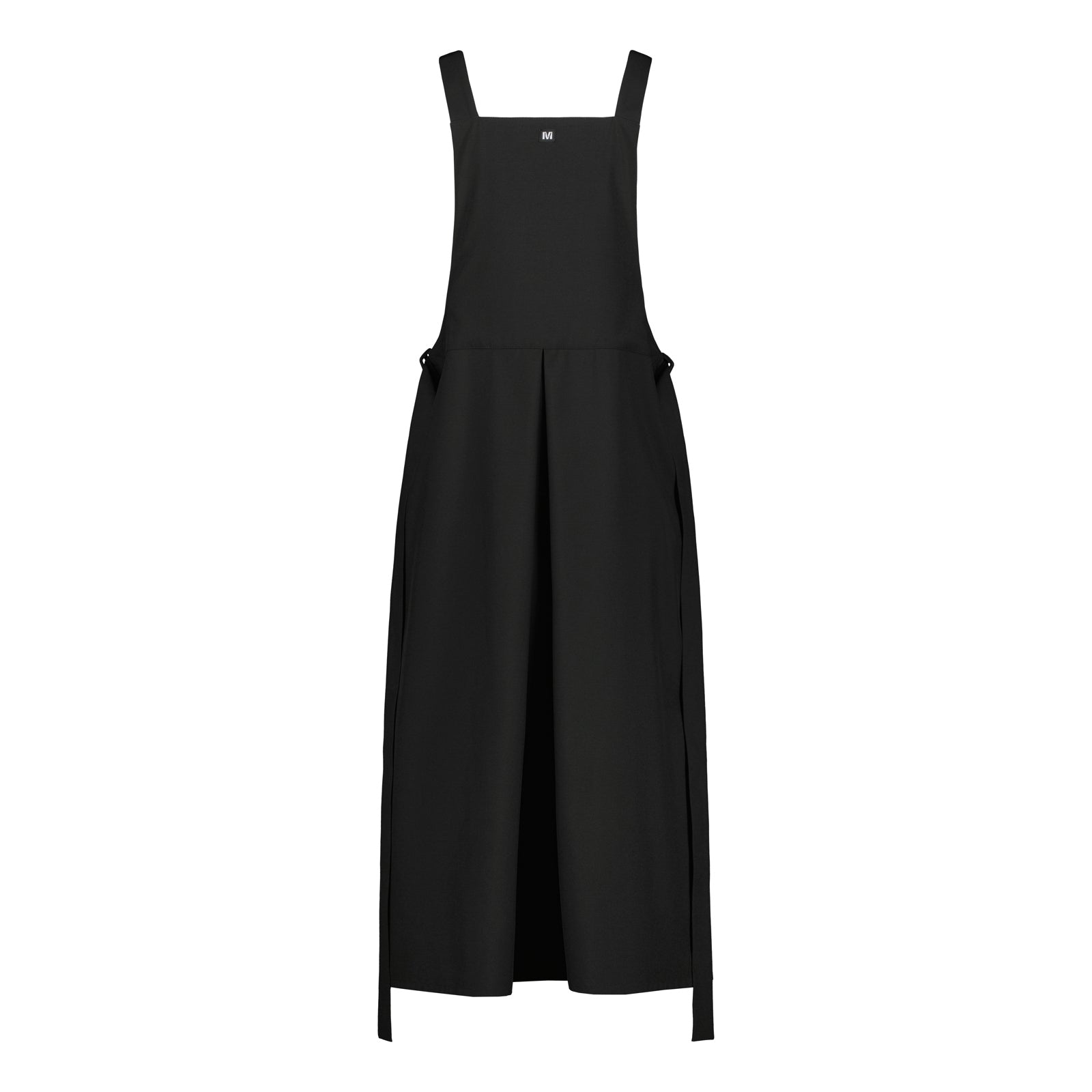
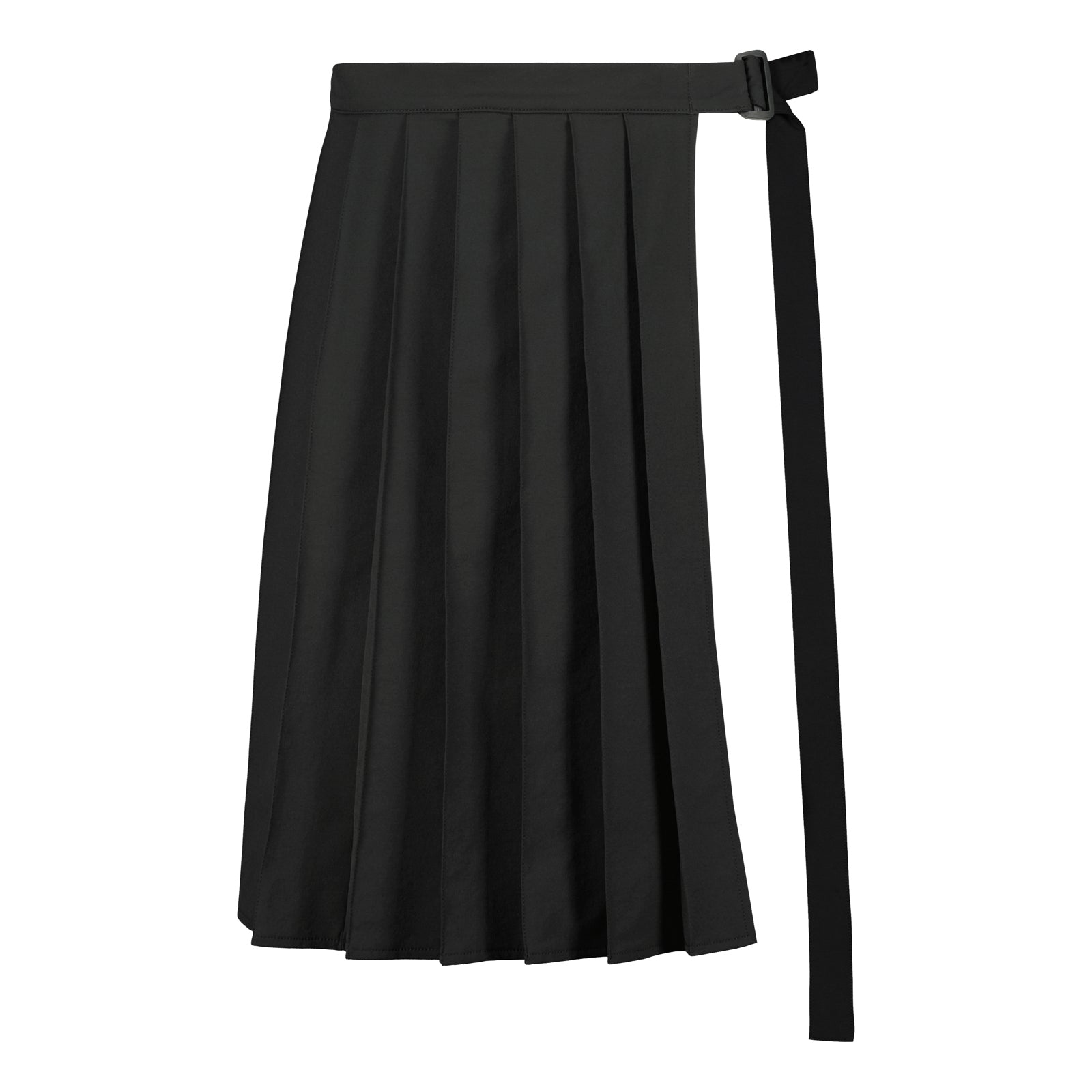
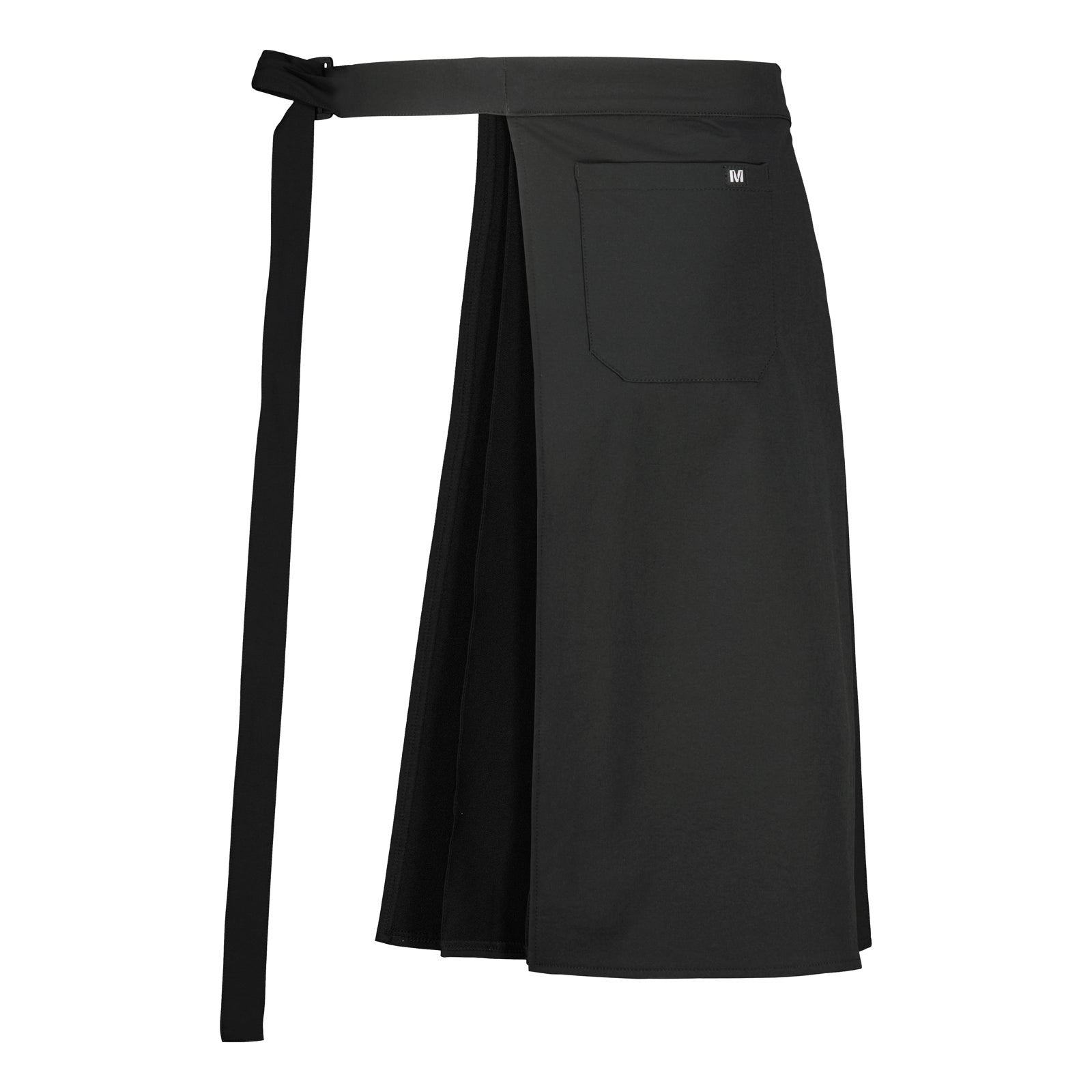
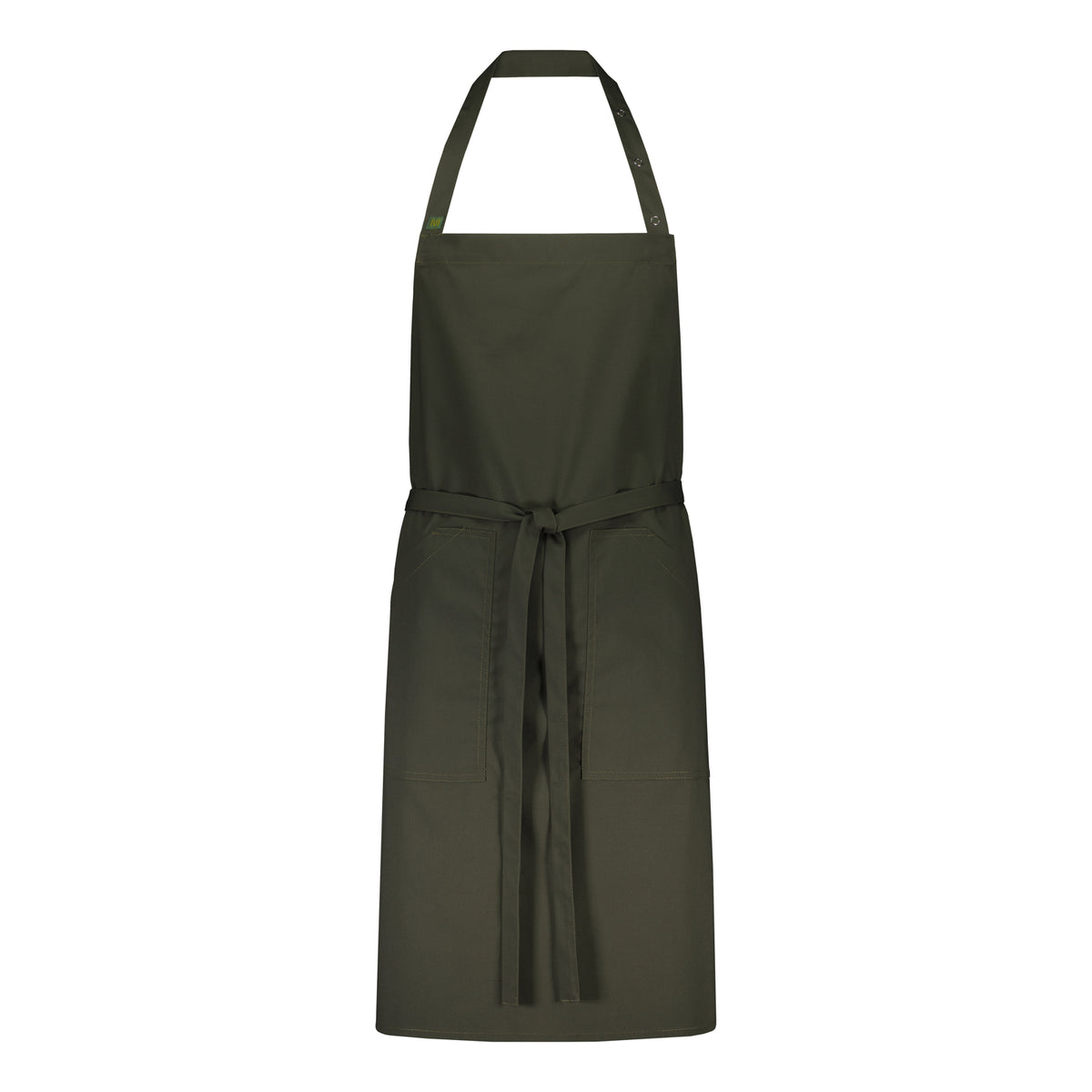
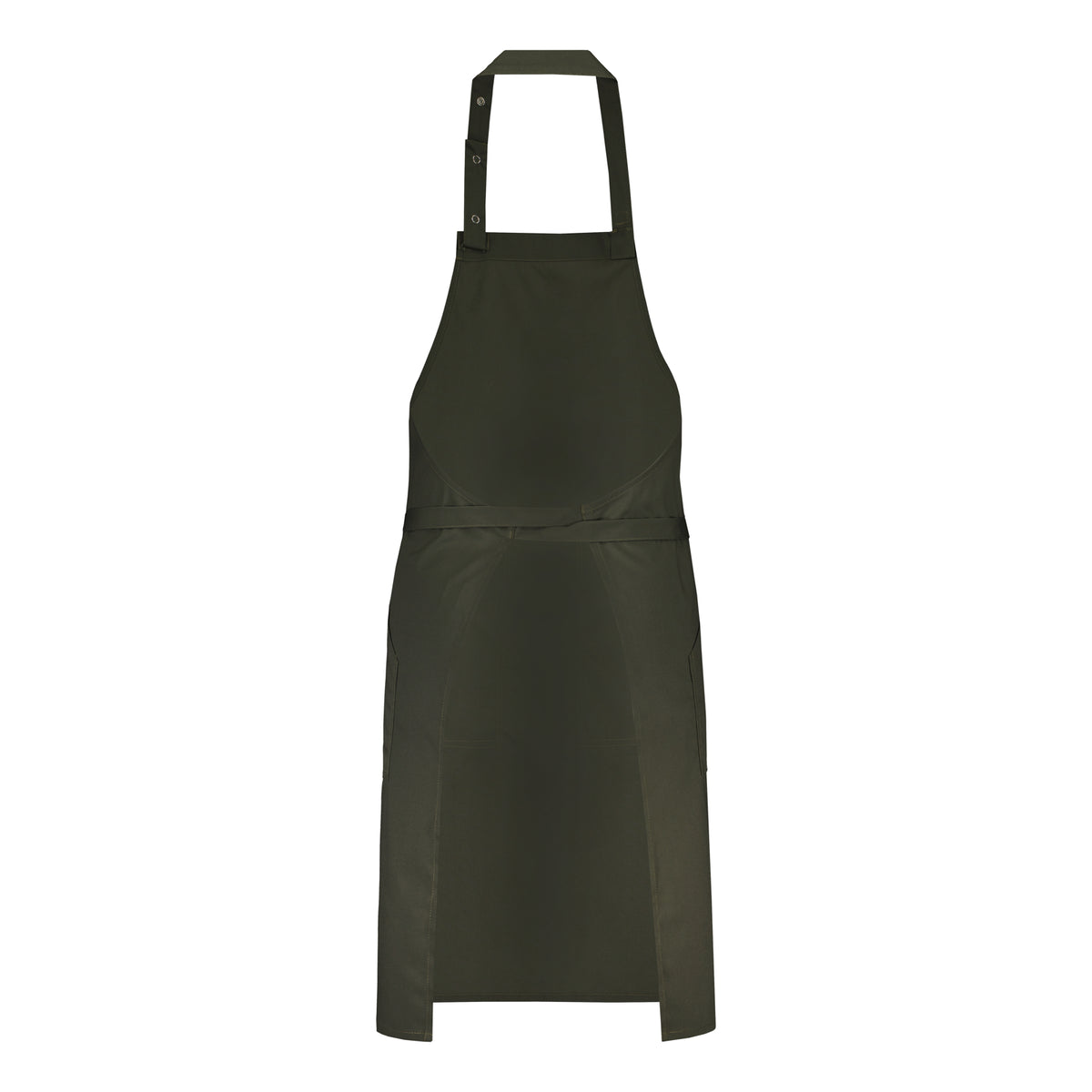
The same applies to dirty work. Tax deductions can be obtained for the costs of purchasing actual protective clothing and for the costs of washing dirty work clothing (e.g. laundry costs). Protective clothing includes, for example, aprons and headgear .
2. Is workwear necessary for your job?
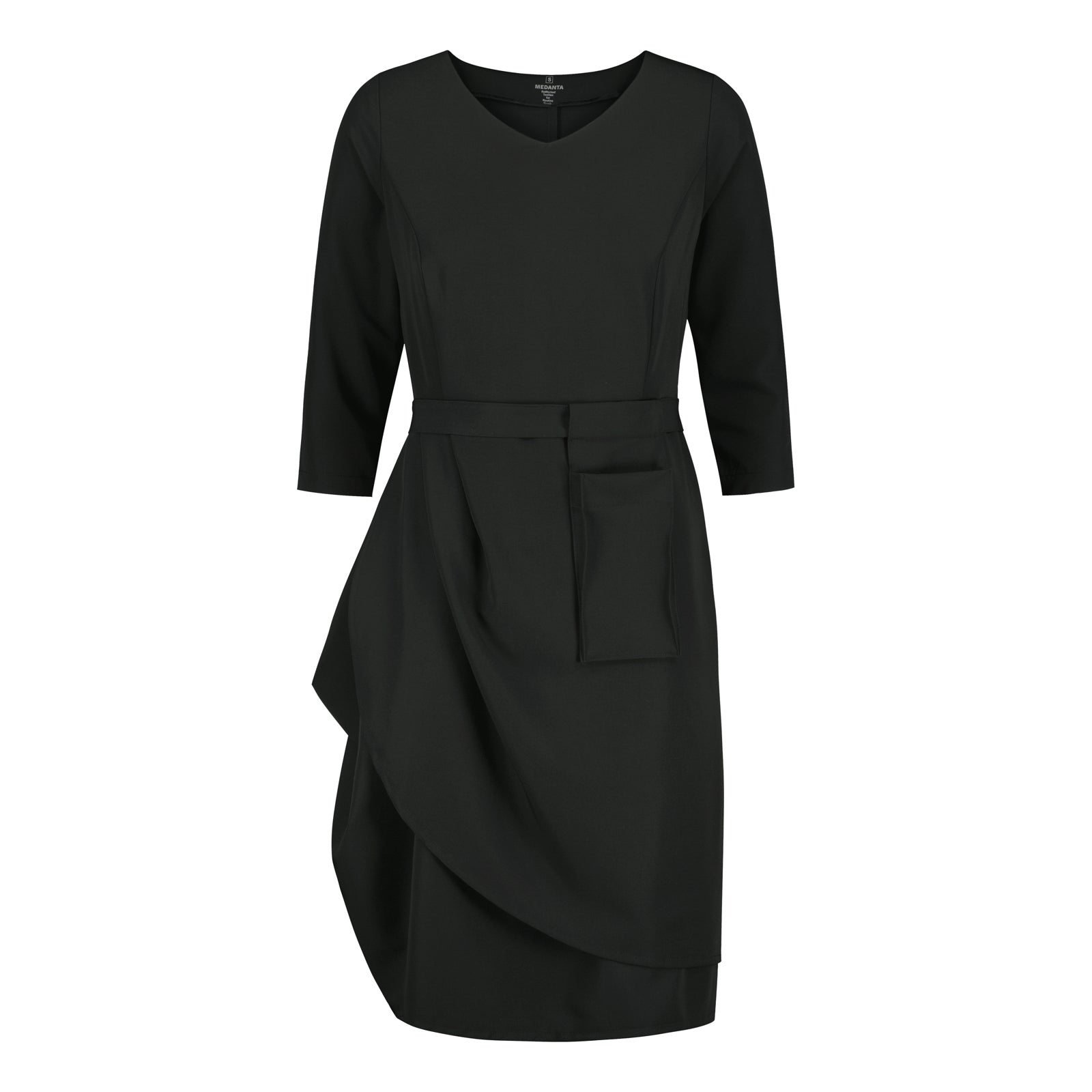
Workwear is mandatory in many sectors, as it affects occupational safety. Such workwear is not suitable for leisure use. For example, the uniform of a nurse , security guard or chef is clearly only worn at work, in which case the workwear is eligible for a tax deduction.
In other sectors, you can wear regular clothes to work that you can also wear outside of working hours; in that case, the clothing costs are not eligible for the workwear tax deduction.
Deducting the costs of work clothing in personal taxation
You can deduct the cost of work clothes or shoes in your taxation under certain conditions
The employee pays for the work uniform themself
If an employee purchases work clothing or individual workwear or accessories themselves, the purchase may be tax-deductible.
Clothing and equipment purchased by the employer are not tax-deductible.
The garment is designed for work
The general guideline is that an employee can deduct the costs of acquiring work clothes
in their own taxation only if:
- The clothing is designed for work and cannot be used elsewhere (e.g., a uniform or performance outfit).
- It is protective clothing that prevents danger or soiling.
Wear and tear of clothes
Work clothes that are used when the work is very dirty and/or hard on clothes are often tax-deductible.
If clothes have been exceptionally damaged at work and the employer has not reimbursed them, the cost of acquiring the clothes can be considered tax-deductible.
Medanta online store
Browse our entire selection or search for a specific piece of clothing or workwear for your industry.
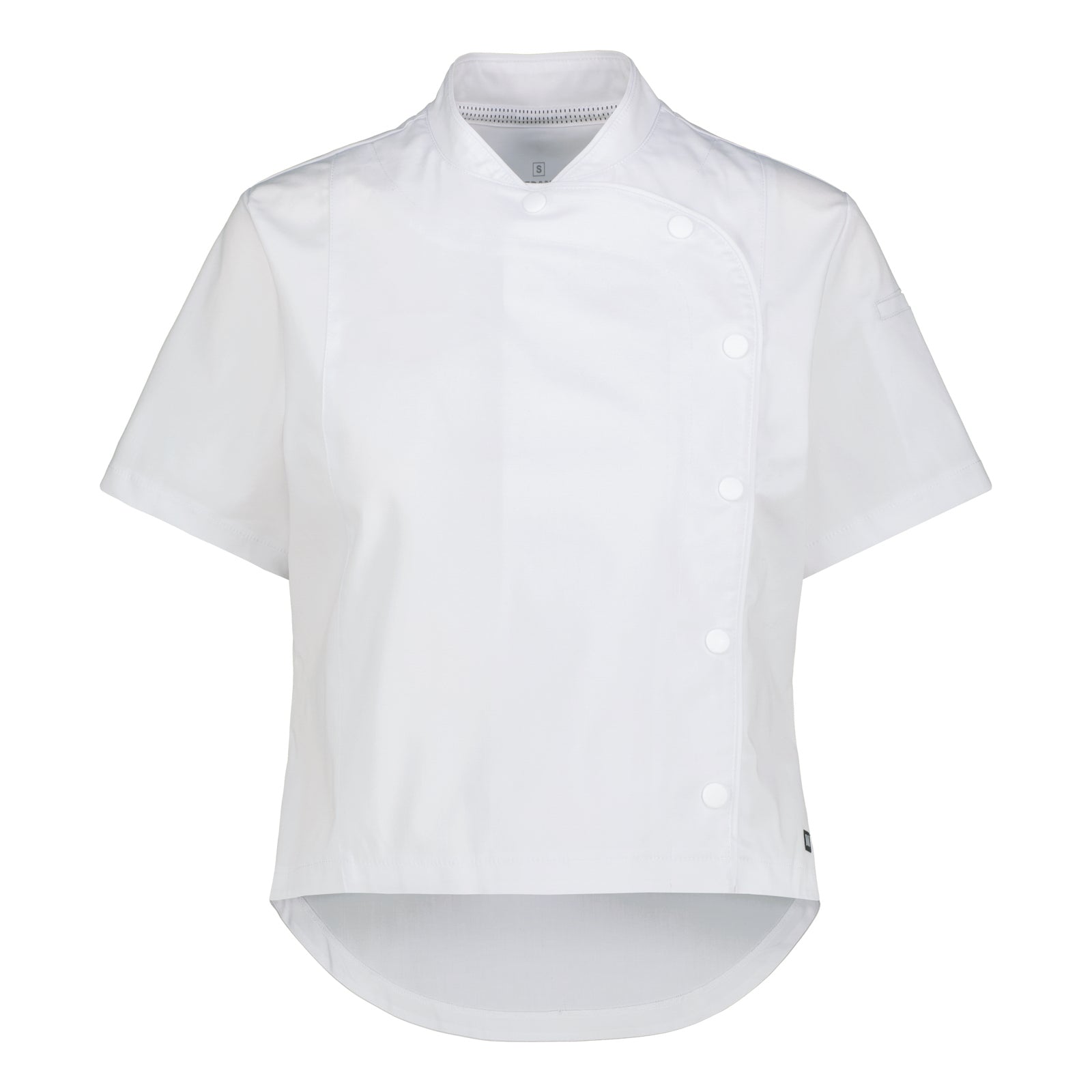
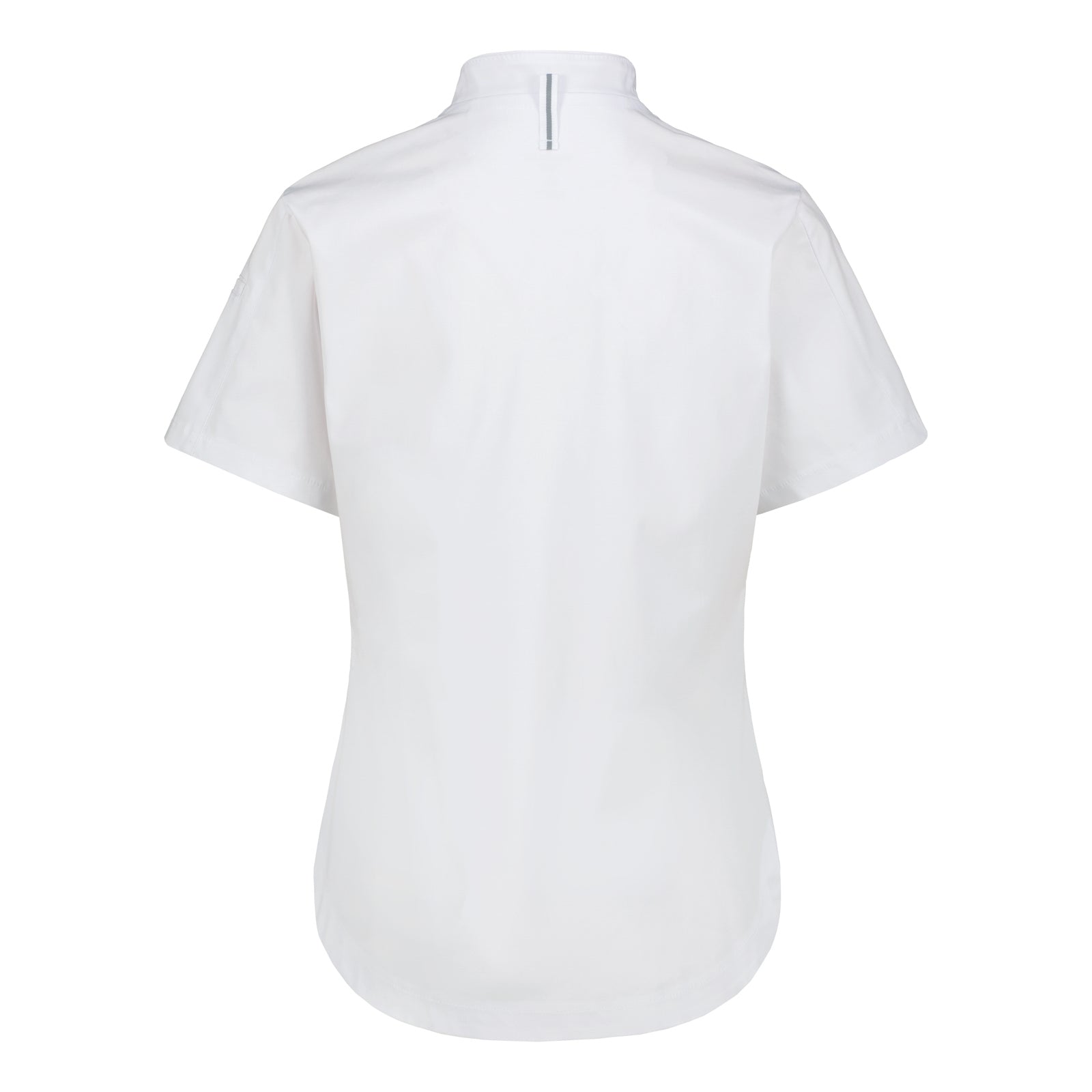
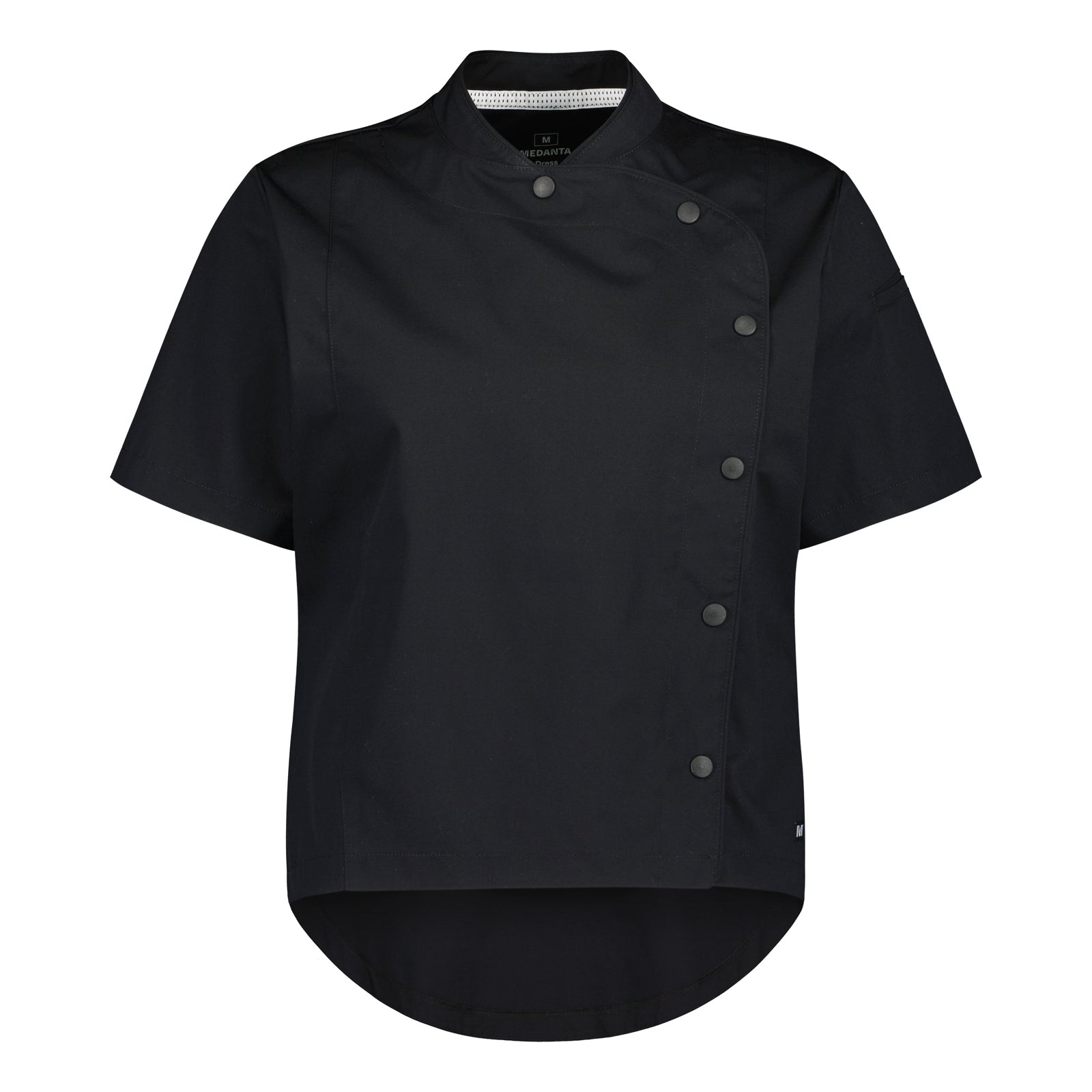
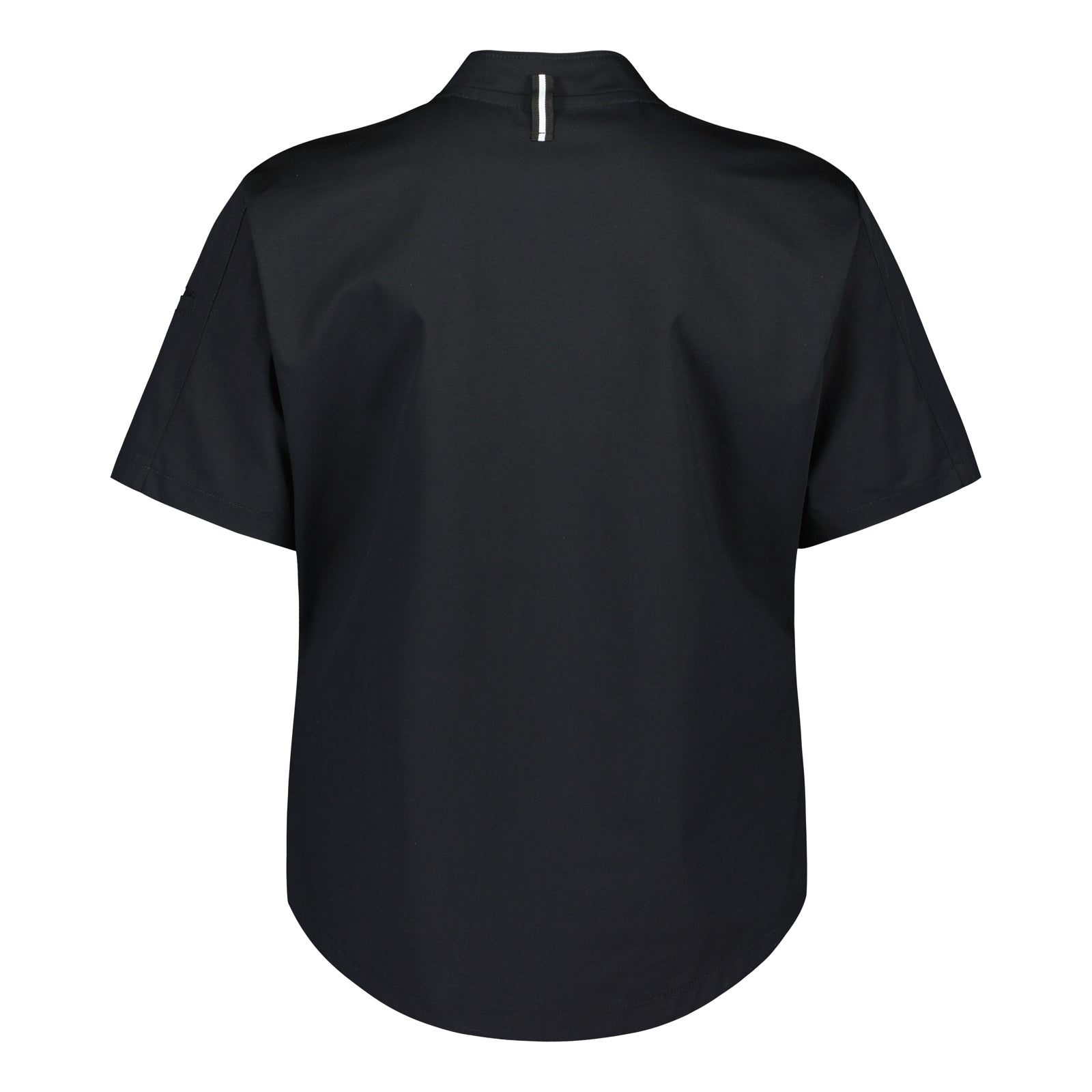
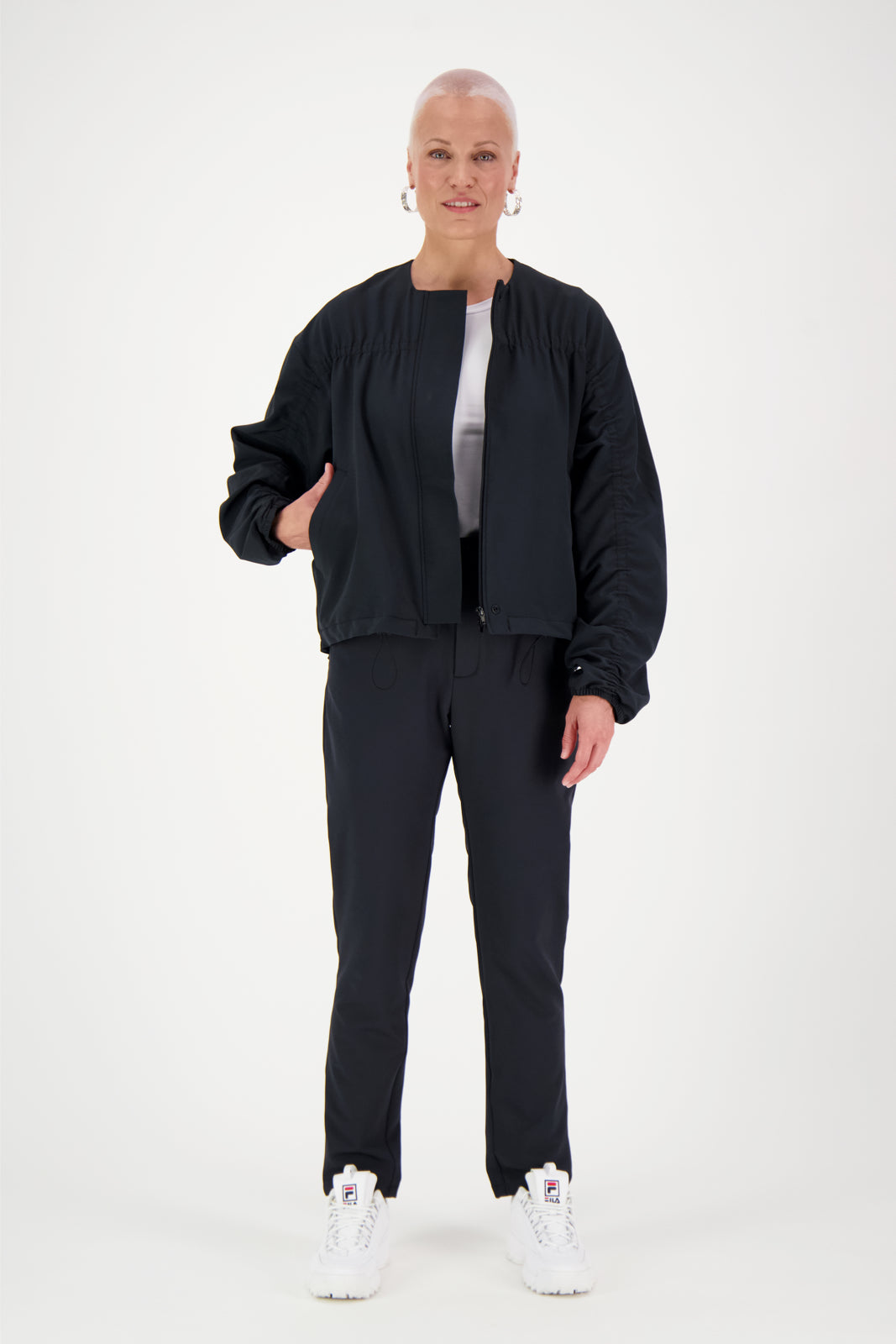
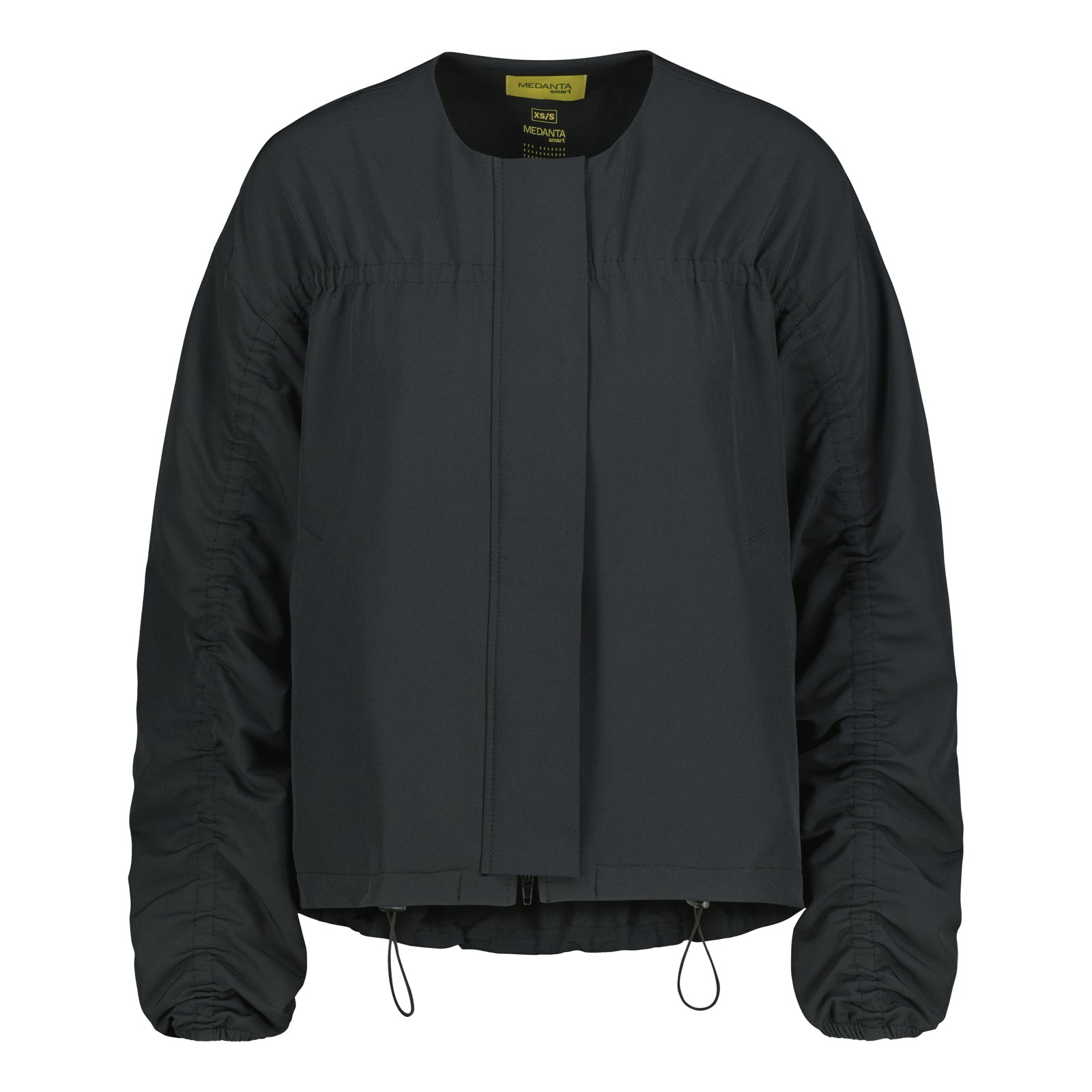
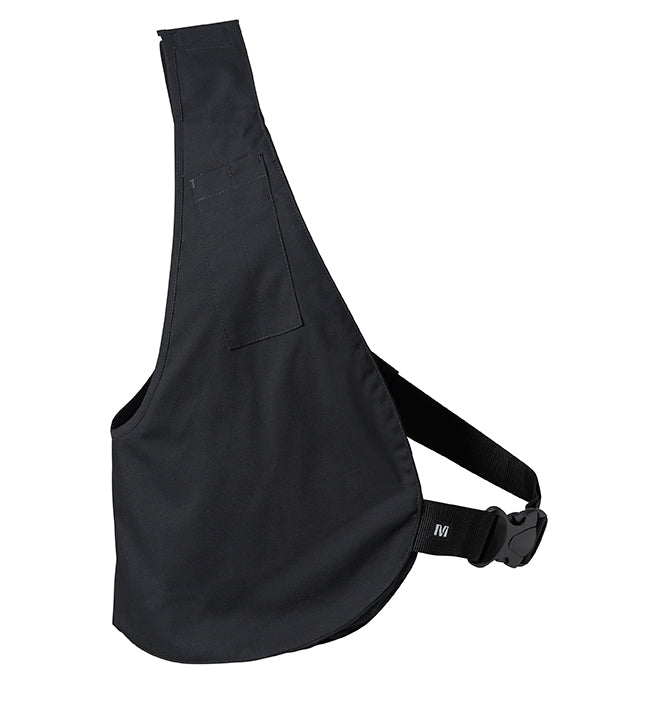
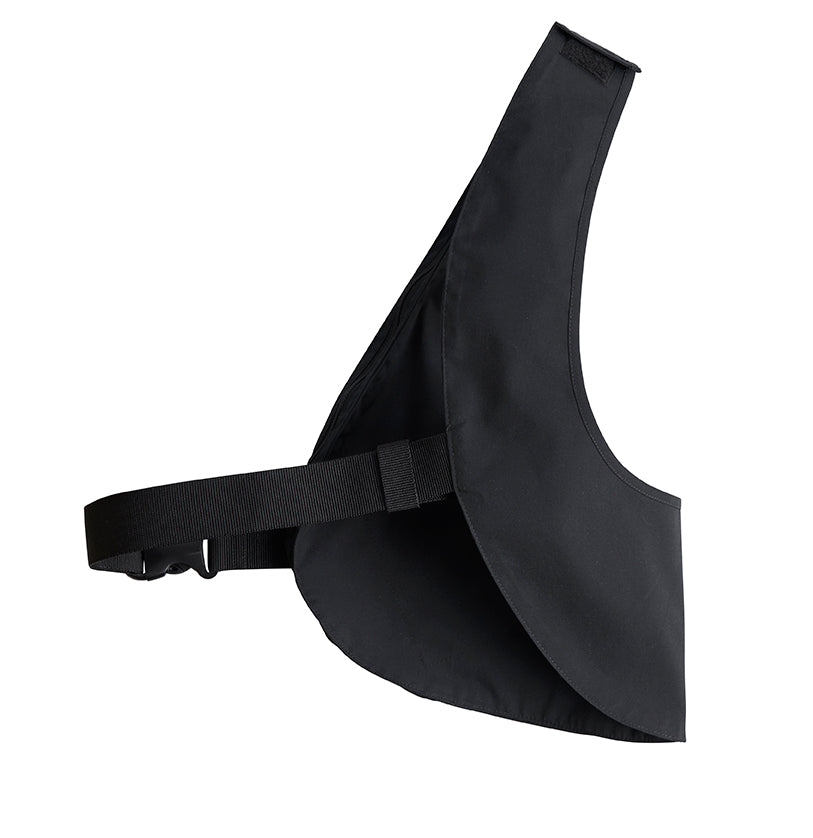






A seamless combination of logistics, maintenance and washing.
Read more